Fibertex Personal Care
At Fibertex Personal Care, quality control is an important part of the production of nonwoven textiles for nappies, sanitary pads and incontinence products, among other things. To strengthen the detection of metal contamination, the company invested in a customised CEIA metal detector of a size that placed special demands on both installation and integration. Through close collaboration, thorough testing and a creative technical solution, the metal detector was implemented without extensive changes to the existing production.
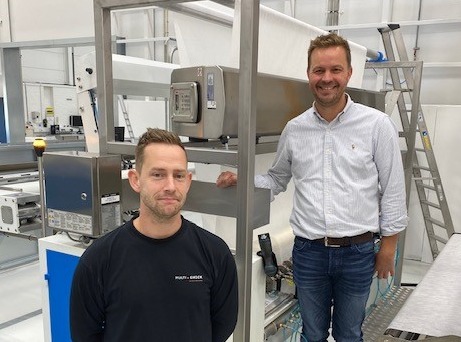
Customised metal detection strengthens quality control
When materials for nappies, sanitary pads and incontinence products are produced on a large scale, quality control is a crucial part of the process. At Fibertex Personal Care, one of the world’s largest manufacturers of nonwoven textiles for the hygiene industry, the aim was to strengthen foreign body control in production without changing the existing production set-up.
The solution became the largest metal detector Multicheck has ever supplied to a Danish customer.
A solution of a special size
Fibertex Personal Care wanted to improve the detection of any metal contamination in the materials that later go into nappies and hygiene products, among other things.
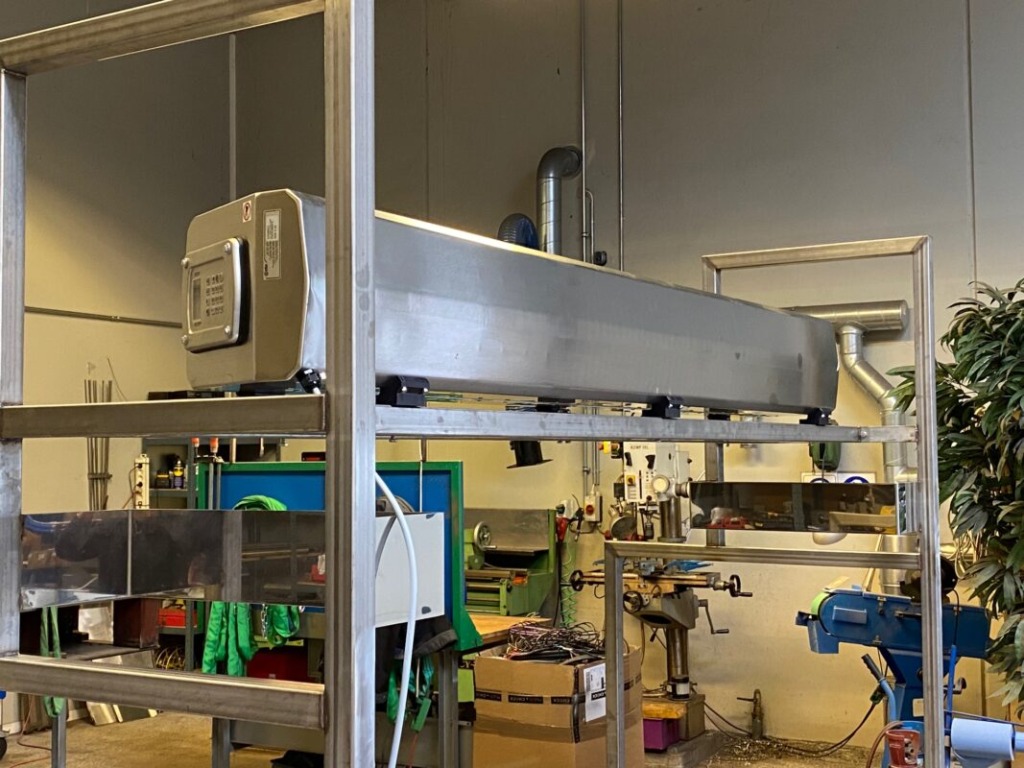
The choice fell on a CEIA THS/MS21 metal detector with a detector head measuring no less than 2050 x 50 mm. With a width of just over two metres, this was a solution that placed special demands on both installation and integration into production.
For Fibertex, it was important to choose a solution that could both meet the technical requirements and document the required detection capability before the project was launched.
“Our collaboration with Multicheck has been excellent from start to finish. We had some good conversations along the way, and it meant a great deal to us that Multicheck could carry out a test of the equipment before we got started,” says Brian Udengaard, R & D Director at Fibertex.
When the standard solution was not enough
Although the metal detector technically matched the requirements, a challenge arose during the project.
The large size of the detector meant that it could not readily be integrated into Fibertex’s existing production line without extensive changes to the machinery.
Instead of changing the existing production, a solution was developed based on the existing conditions at the factory.
By raising the metal detector and at the same time integrating Fibertex’s existing magnets into the construction, the solution could be installed without major modifications to the line.
Tailored to the customer’s production
The project became a good example of how standard equipment can be adapted to specific production environments through practical experience and technical know-how.
At Multicheck, it is often not only about delivering the right machine, but also about finding the most cost-effective way to implement the solution.
”This is a really good example of how, thanks to our skilled people and industry knowledge, we can tailor a standard machine to the customer’s needs, so that the customer gets the most cost-effective solution overall,” says Jacob Henneberg, Sales Engineer, Multicheck
Strengthened quality control
With the new CEIA metal detector, Fibertex has a solution that helps strengthen quality control of the materials used in hygiene products around the world.
At the same time, the project shows how close dialogue, thorough testing and creative technical solutions can be crucial in achieving the best possible result.
For Fibertex, the project was not just about installing a large metal detector. It was about finding a solution that suited production, supported the quality requirements and could be implemented efficiently in the existing factory.
When the right solution requires more than standard
At Multicheck, we often find that the best solutions emerge in collaboration with the customer. By combining proven technology with technical sparring and industry experience, solutions can be adapted to the specific challenges found in production.
The project at Fibertex Personal Care is a good example of how the right combination of technology, testing and customisation can create a solution that strengthens quality control without complicating production.
Can we help you strengthen quality control in your production?
Whether you want to improve the detection of metal contamination, upgrade existing equipment or invest in a new metal detection solution, we help you find the right technology for your production.
With CEIA metal detectors, you can achieve reliable detection of metal particles even in demanding production environments. The solutions can be adapted to products, production lines and physical constraints, giving you maximum detection reliability without compromising on productivity.
See our range of CEIA metal detectors below, or contact us for a no-obligation chat about how we can help you strengthen quality control in your production.
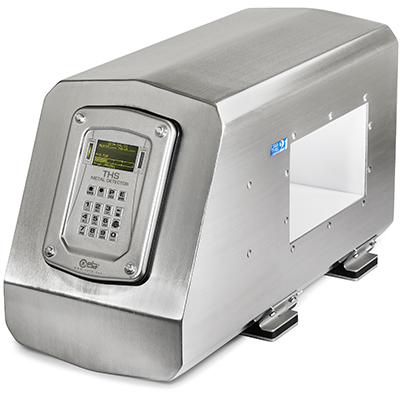
CEIA THS/MS21 delivers high detection sensitivity – even for products that are normally difficult to inspect for metal. Multi-Spectrum technology distinguishes the product’s own signal from metal contamination and detects ferrous metals, non-ferrous metals and stainless steel.
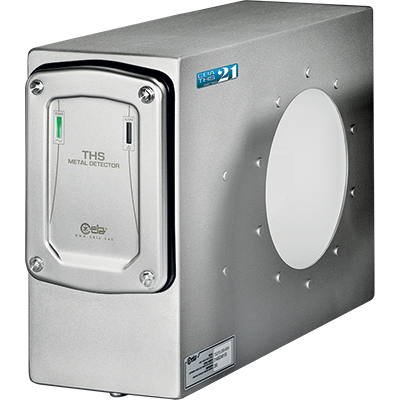
CEIA THS/GMS21 is designed for metal detection in powders, granules and other bulk products in free fall. Multi-Spectrum technology ensures high sensitivity to ferrous metals, non-ferrous metals and stainless steel while reducing the influence of the product’s own signal.
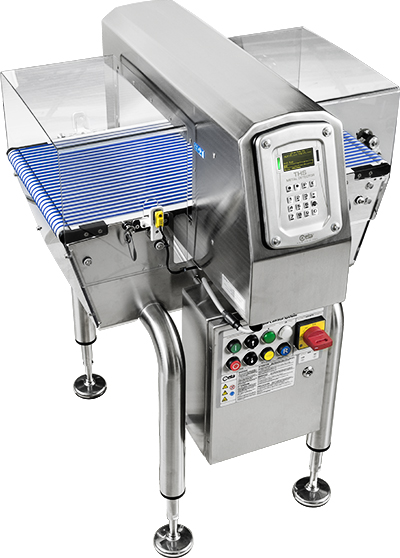
CEIA THS/RB-800 is a compact metal detection system with an integrated conveyor and automatic rejection, designed for easy integration with checkweighers and other inline systems.
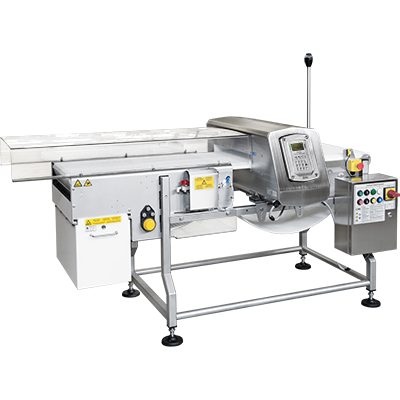
CEIA THS/MBR is a metal detection system with a modular conveyor belt and a retractable belt section that automatically rejects products with metal contamination. The system is available with THS/21E, THS/21 or THS/MS21, belt widths of 300–600 mm and detector apertures of 65–240 mm. THS/MS21 also adds Multi-Spectrum technology
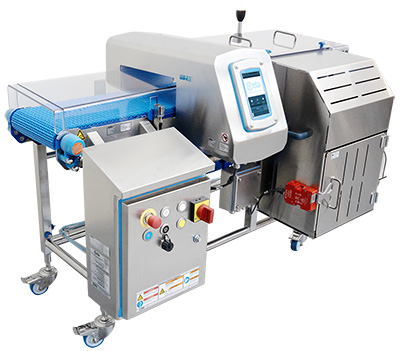
CEIA THS/210-MBH9 is an advanced metal detection system for wet and demanding production environments. Advanced Multi-Spectrum technology ensures high sensitivity to ferrous, non-ferrous and stainless metals. The system is made of AISI 316L stainless steel with IP69K protection and a hygienic design for intensive cleaning.
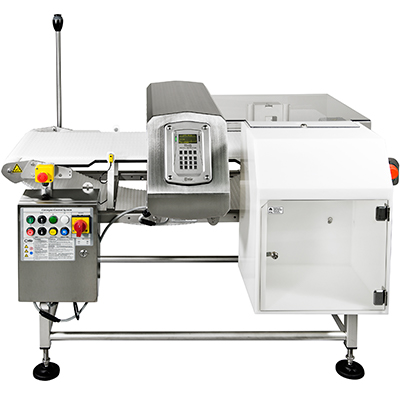
CEIA THS/MBB is a complete metal detection system with a modular conveyor belt and automatic rejection of metal contamination. The system can be supplied with THS/21E, THS/21 or THS/MS21, with THS/MS21 offering Multi-Spectrum technology. THS/MBB is available with belt widths of 200–600 mm, belt lengths of 1,000–1,800 mm and detector apertures of 65–340 mm
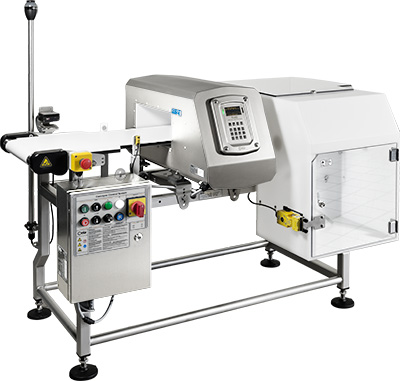
CEIA THS/FBB is a complete metal detection system with conveyor belt and automatic rejection of metal contamination. The system can be supplied with THS/21E, THS/21 or THS/MS21, with THS/MS21 offering Multi-Spectrum technology. THS/FBB is available with belt widths of 200–500 mm, belt lengths of 1,000–1,800 mm and detector apertures of 65–340 mm.
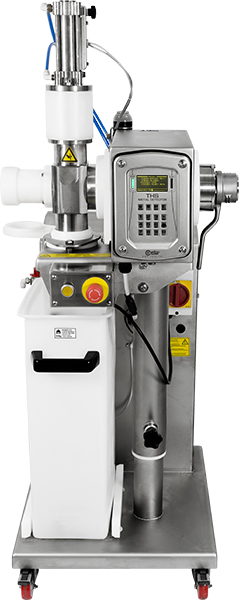
The CEIA THS/PLV-MEAT21 Series has been developed specifically for vacuum fillers in meat production and automatically detects and rejects metal contamination with high sensitivity. Multi-Spectrum technology optimises detection, while the robust AISI 316L stainless steel construction with IP69K protection is designed for high pressure, vibration and intensive cleaning.
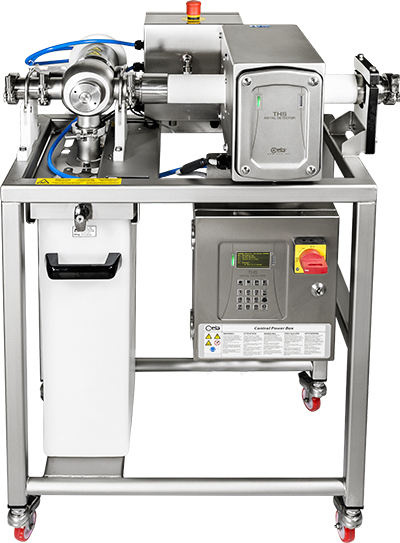
The CEIA THS/PLV21 Series automatically detects and rejects magnetic, non-magnetic and stainless metals in liquid and viscous products without slowing the product flow. Multi-Spectrum technology ensures high sensitivity, while the AISI 316L construction with IP66/IP69K is designed for demanding food production.
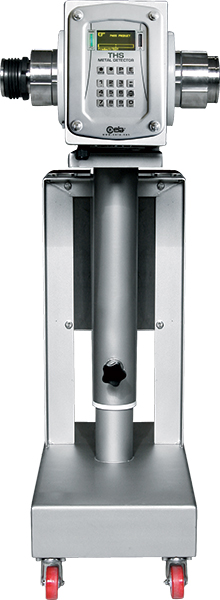
The CEIA THS/PL21 Series is a pipeline metal detector for liquid and viscous products with high sensitivity and Multi-Spectrum technology. When metal is detected, the system signals the contamination so that the product can be removed separately later in the production process. The system is made of AISI 316L stainless steel with IP66/IP69K protection and is designed for easy cleaning and integration.
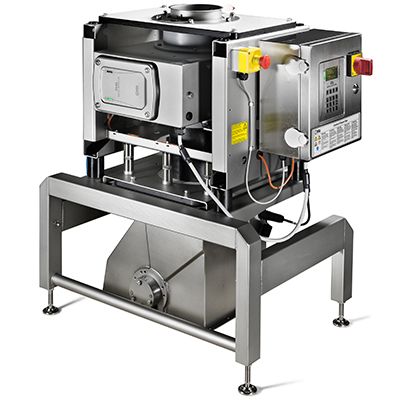
The CEIA THS/FFV21 Series is a free-fall metal detection system for powders and granulates that detects and automatically rejects metal contamination. Multi-Spectrum technology optimises detection, while fast rejection ensures a continuous product flow. The system is made of AISI 316L stainless steel.
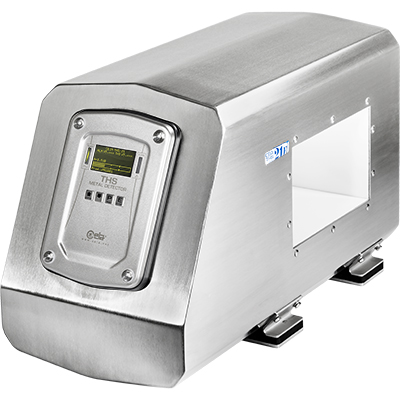
CEIA THS/21ET and THS/21ET-3F give you precise and stable metal detection with fewer false rejects and less product waste. Automatic product adaptation and monitoring reduce the need for manual intervention and ensure more efficient production control.
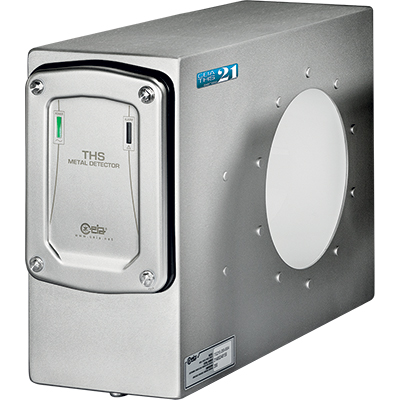
CEIA THS/G21ET is designed for metal detection in powders, granules and other bulk products in free fall or pipelines. The system ensures high detection sensitivity to ferrous metals, non-ferrous metals and stainless steel and can reject metal contamination without slowing down the product flow.
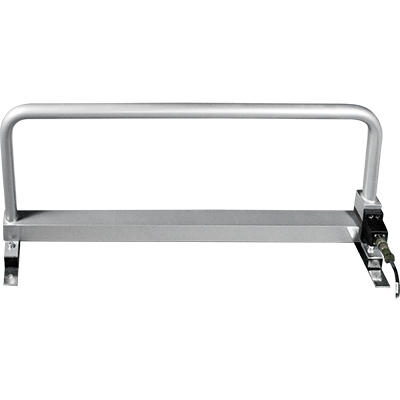
CEIA TSM/D is an industrial tunnel metal detector for conveyor belts that detects magnetic and non-magnetic metal fragments and protects both product and production equipment. The opening probe can be installed without cutting the conveyor belt. The system handles speeds of 2–250 m/min, has IP65 protection and is available with several detector apertures.
Do you need help?
If you would like to hear more about our solutions, please fill out the form and we will contact you as soon as possible.
If you need urgent assistance, you can contact us 24/7/365 on +45 75 60 22 22.